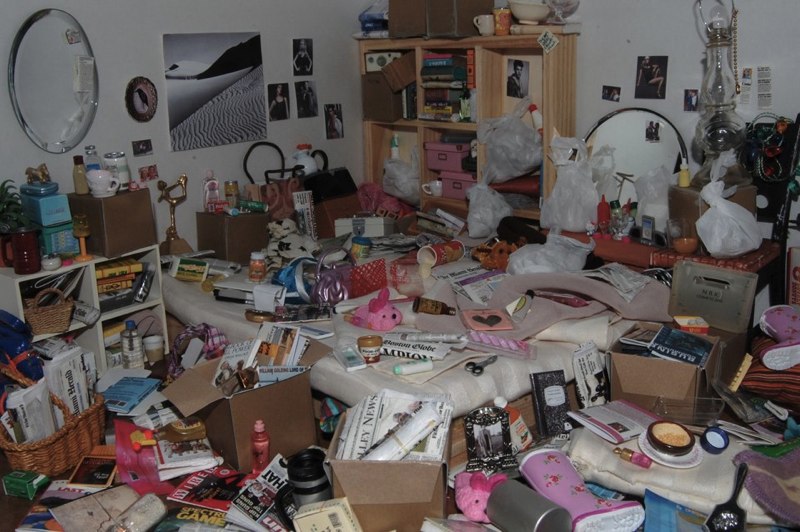
Dollhouse version of a hoarder's house by Carrie M Becker
“We found that most [study] participants frequently adhered to a gluten-free diet, and this greater compliance with diet was related to increased vitality, lower stress, decreased depressive symptoms and greater overall emotional health,” study co-author Josh Smyth, a professor of bio-behavioral health and medicine at Penn State University, said in a university news release.
“However, even those people who were managing their illness very well reported higher rates of stress, depression and a range of issues clustered around body image, weight and shape when compared to the general population,” he added.
How SOPA will break DNS: In case you were trying to figure out how broken the Internet will be if SOPA passes, have a look at this article and this article from DynDNS, one of the world's leading DNS providers.If you think this is all a bunch of goldarned hooey, contact your legislator and tell them so. You can tell them I sent you.

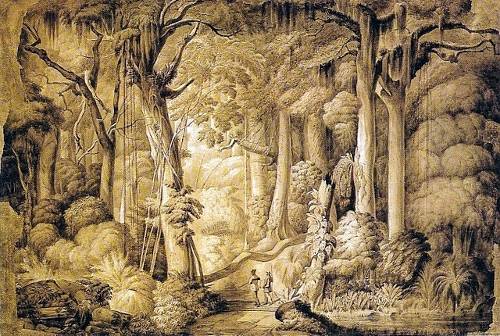
nemophilist
n. one who is fond of the forest
chiminage
n. a toll for passage through a forest
Original Page: http://feedproxy.google.com/~r/FutilityCloset/~3/Tr1tfO1CCAM/
http://thehairpin.com/2011/11/our-bella-ourselves
(via the awl)
Video Link: "Lao Lai Qiao Gaga," from Hunan TV, China. (via @Theremina)
Original Page: http://feeds.boingboing.net/~r/boingboing/iBag/~3/-JEsYqlcc0Y/chinese-elderly-citizen-choir.html
Good article in the Press Herald on opiate abuse; the first of a five-part series. It's like they've been hanging out at my job. (But still really do a good job not demonizing poor people.)
The epidemic has affected Mainers of all ages and backgrounds; middle schoolers and senior citizens, clam diggers and doctors.
"No family is immune from this particular issue,"; said Troy Morton, chief deputy of the Penobscot County Sheriff's Office. "They are the youngest of kids, in their early teens, and people in their 70s. They are the poorest of the poor and the richest. There are no boundaries."
Abuse often starts among teens, who don't understand the danger and are more vulnerable to addiction. Addiction, meanwhile, is most common among young adults who were in their teens when the pills first flooded into Maine communities.
Link to the full story:
Painkillers in Maine: A cure that came with a curse
But I think the real solution is a rift that is very deep in our society. The tea party and the 99% exemplify this in a (relatively) positive way (in the sense that all activism is positive, not that I always agree with it).
I think that everybody feels it to some extent--those that don't hide their feelings behind addictions to drugs, alcohol, shopping, tv--all the things that distract us from what's really happening around and within ourselves.
I don't know what it is that is broken. Or the many things, more accurately. Maybe it's a lack of hope, explaining the popularity of Obama's campaign messaging and why it resonated with so many people. We want change; we want reason to hope. We want to find hope and love within ourselves, and reflected in the society in which we live.
I'm not nostalgic for a time that seems simpler in retrospect. I'm interested in how to move forward, using those lessons of history, to see a completely different society.
I don't know if it would work, given the size of the united states. Perhaps it would help to divide the country into regional blocs. Perhaps it would help if gas went up to $6 a gallon and people were forced to interact with each other on public transportation, and local food became cheaper than imported.
Maybe if student loan debt were forgiven, like some of the 99% propose, a generation would see hope instead of a crushing future of debt payments. Maybe Internet should be funded and provided by the government, like libraries, so that people can communicate with each other in the modern day versions of traditional coffee-houses, exchanging ideas, debating, and engaging with each other. (And watching videos of cute kittens too, of course. And pr0n, inevitably, people being people).
Until this is done, people will continue to numb themselves from the incredible stress of 21st century living in whatever is the cheapest, easiest way. It's not even about the drug itself, I think--although addiction makes stopping incredibly difficult--it's about a people divided and confused, inundated into apathy, hopeless and lost, waiting for the bright shiny future we were promised--a future that actually waits just on the other side of a collective demand for it.
 |
| This is my brain. |
 |
| October 2009 (slightly over baseline: 155) |
 |
| July 2010 (About average: 145) |
 |
| April 2011 (130 lbs) |
 |
| June 2011 (125 lbs) |